Home › Blood Sugar
Blood Sugar Support Supplements: An Honest Guide
Category guide · Updated July 2026 · Uses the CDC's January 2026 data release
Blood sugar is the supplement category with the highest stakes: the audience is enormous, the products can interact with real medication, and the marketing routinely implies things no supplement does. Start here before buying anything.
Diabetes in the U.S.: the new 2026 numbers
The CDC updated its National Diabetes Statistics Report in January 2026 (2023 data) — and the numbers moved up from the widely quoted older figures:
That's the market blood sugar supplements sell into: over 155 million Americans with diabetes or prediabetes, most of the second group undiagnosed. It's also why this category demands more caution than any other we cover — many buyers are already on glucose-lowering medication.
The safety rule that comes before any review
If you take diabetes medication, talk to your doctor before adding any supplement. This isn't boilerplate: ingredients with real glucose-lowering effects (berberine is the clearest example) can stack with metformin, sulfonylureas, or insulin and push blood sugar too low. And no supplement — none — is a substitute for prescribed treatment. Any product that implies you can "throw away your meds" should be dismissed on that sentence alone.
Which ingredients actually have research
- Berberine — the strongest human data in the category for lowering blood glucose; effects are modest and dose-dependent (typically ~1,000–1,500 mg/day in studies, split doses). It's also the ingredient most likely to interact with medication.
- Gymnema sylvestre, cinnamon, chromium, alpha-lipoic acid — mixed-quality evidence; some trials show small improvements in glucose measures, others show nothing. Dose and extract type matter enormously.
- Everything else on a typical label — usually traditional use or mechanistic speculation. We label each ingredient's evidence level in every review.
The pattern to notice: studied doses are often much higher than what fits in a multi-ingredient capsule. That's why step 1 of our process is comparing the label's doses to the studied doses — a formula can contain "clinically studied ingredients" at doses far below what any study used.
What to check on any blood sugar supplement label
- Disclosed doses, not proprietary blends. If you can't see the milligrams, you can't compare to the research.
- Claims that stay legal and honest. "Supports healthy blood sugar levels" is a structure claim. "Reverses type 2 diabetes" is a treatment claim no supplement may legally make — and none has earned.
- The refund policy, in writing. Days, conditions, return shipping. We test-read it in every review — and we've caught ads describing guarantees incorrectly.
- Official seller vs marketplace copies. Heavily advertised formulas get pirated on Amazon and eBay; those listings usually aren't covered by the official guarantee.
Reviews in this category
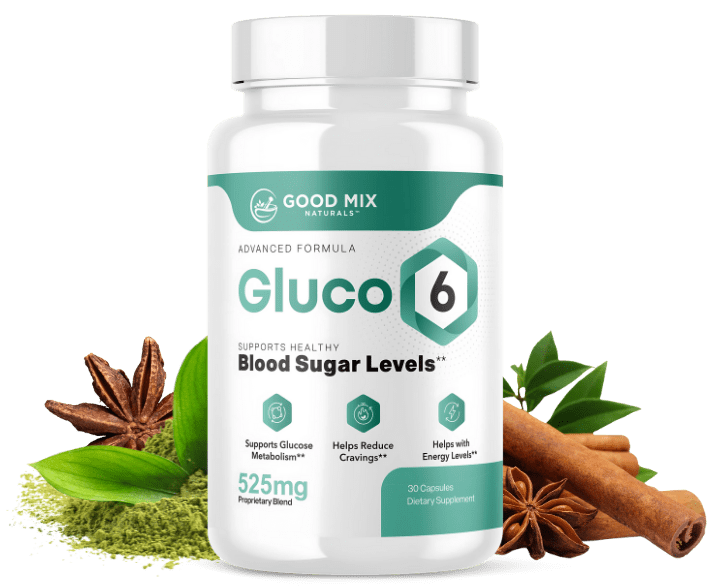
Gluco6 Review (2026): You Weren't Failing Your Diet — Were Your "Sugar Doors" Stuck?
The GLUT-4 "stuck sugar doors" idea explained, why berberine alone disappointed so many people, what the six ingredients have behind them, and the 60-day guarantee math.
Frequently asked questions
Can a supplement replace diabetes medication?
No. No supplement is a substitute for prescribed diabetes medication, and stopping medication in favor of a supplement is dangerous. If you take metformin, insulin, or any glucose-lowering drug, talk to your doctor first — combining them can push blood sugar too low.
Which ingredients have the best research?
Berberine has the strongest human data, followed by mixed evidence for cinnamon, gymnema, chromium, and alpha-lipoic acid. Effects are modest and dose-dependent — check the label's doses against the studied doses.
How do I know if I have prediabetes?
You usually can't tell without a test — more than 2 in 5 U.S. adults have prediabetes and about 8 in 10 of them don't know it (CDC). If you're buying a supplement "just in case," an A1C test is the better first purchase.