Home › Vision & Eye Health
Eye Health Supplements: What Works, What Doesn't
Category guide · Updated July 2026
Eye supplements are one of the biggest categories in the U.S. supplement market — and one where the gap between what ads promise and what research shows is widest. Here's the honest baseline before you buy anything.
Vision loss in the U.S.: the real numbers
Two things follow from these numbers. First: age-related eye conditions are common enough that "eye health" marketing has an enormous audience. Second: 90% of diabetes-related blindness is preventable with early detection and treatment (CDC) — which means an eye exam does more for most people than any bottle. No supplement replaces one.
The one formula with real trial evidence: AREDS2
When eye supplements cite "clinical research," they're almost always borrowing credibility from one source: the Age-Related Eye Disease Studies (AREDS and AREDS2), run by the U.S. National Eye Institute. Those trials found that a specific formula — 500 mg vitamin C, 400 IU vitamin E, 10 mg lutein, 2 mg zeaxanthin, 80 mg zinc, 2 mg copper — reduced the risk of progression in people who already had intermediate AMD.
Note what that evidence does not say: it doesn't show that supplements prevent AMD in healthy eyes, sharpen normal vision, or reverse damage. So when we review an eye supplement, the first question is always: how do its ingredients and doses compare to AREDS2, and does it claim more than AREDS2 ever showed?
What to check on any eye supplement label
- Lutein and zeaxanthin doses. The studied doses are 10 mg and 2 mg. A label that hides them inside a "proprietary blend" makes comparison impossible — that's a transparency failure, and we score it as one.
- Claims scoped to what evidence supports. "Supports macular health" is a legal structure claim. "Restores 20/20 vision" or "fixes blurry vision in weeks" is a claim no trial supports.
- The guarantee, in writing. How many days, from purchase or delivery, opened bottles or not, who pays return shipping. We test-read the policy in every review.
- Where you're buying. Marketplace listings (Amazon, eBay) for heavily advertised formulas are often not run by the manufacturer — and usually aren't covered by the official refund policy.
Reviews in this category
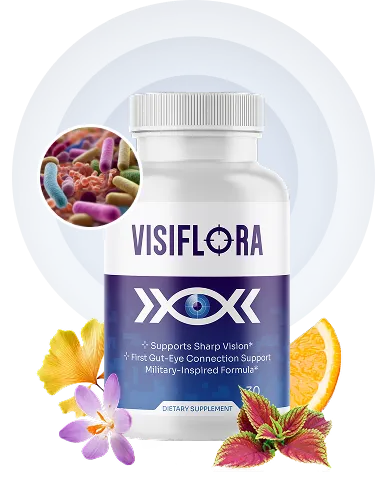
VisiFlora — review in progress
An eye-plus-gut-health hybrid sold as a "new mechanism" for vision support. We're comparing its label against the AREDS2 doses and documenting real pricing and the refund terms.
Frequently asked questions
Do eye health supplements actually work?
It depends on what for. The AREDS2 formula reduced the risk of progression in people who already had intermediate AMD in NIH-run trials. There is no comparable evidence that any supplement improves vision in healthy eyes, fixes blurry vision, or removes floaters.
Can a supplement restore lost vision?
No. No dietary supplement has been shown to restore vision that has already been lost. Sudden or worsening vision changes need an eye exam, not a supplement — many causes of vision loss are treatable when caught early.
What is the AREDS2 formula?
The formula tested by the National Eye Institute: 500 mg vitamin C, 400 IU vitamin E, 10 mg lutein, 2 mg zeaxanthin, 80 mg zinc, 2 mg copper. When an eye supplement cites "clinical research," compare its doses against these numbers.