Independent reviews of heavily advertised health supplements. We read the label, open the official checkout ourselves, test the refund terms — and publish the evidence, dated.
★★★★ 4.1/5 · Prices & 90-day guarantee verified at the official checkout, July 3, 2026.
Every ingredient and dose, checked against published research — and flagged when doses hide in a "proprietary blend."
Real package prices and refund terms, captured on the official order form ourselves — with the date stamped on every review.
Ad claims vs. what we verified, screenshots included. See the full methodology →
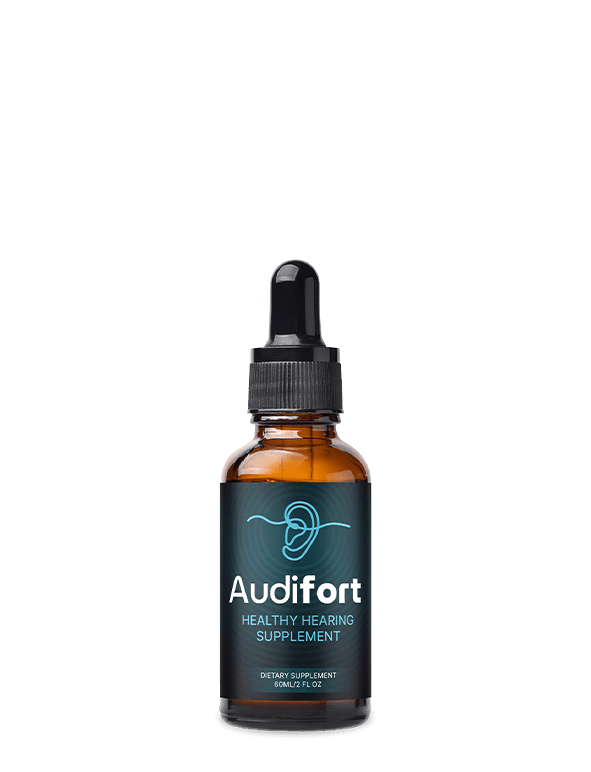
The guarantee is 90 days (not the 60 some ads promise), it's liquid drops (not capsules), the Amazon listing isn't the manufacturer's — plus checkout pricing we captured ourselves.
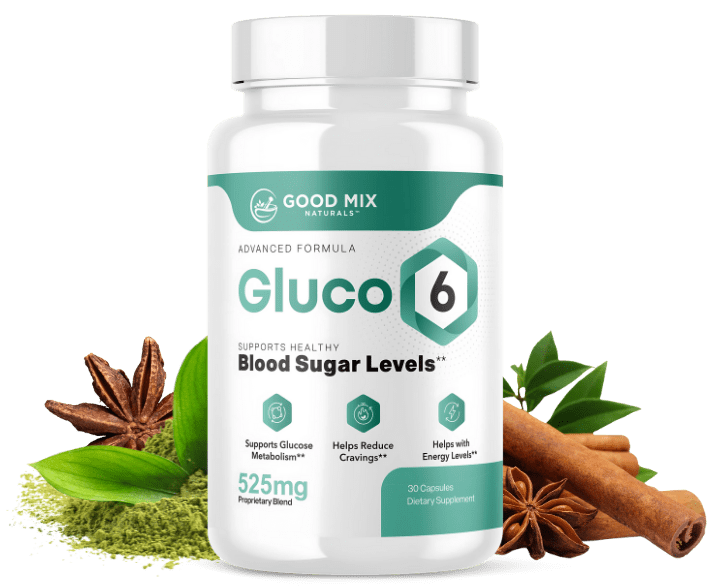
The GLUT-4 "stuck sugar doors" idea explained, why berberine alone disappointed so many people, what the six ingredients have behind them, and the 60-day guarantee math.
BBB complaints are public — we read them, checked every sales-page claim against the evidence, and explain the 60-day refund's fine print before you order.
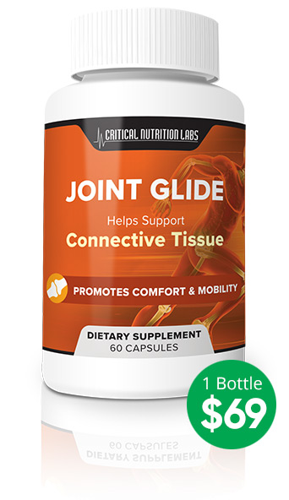
The sales page says an enzyme "rusts" your joints and this formula stops it in days. We examined the mechanism, the 45 references, the pricing and the guarantee's terms.
Label transcribed, pricing tracked, guarantee terms on file. Reviews publish when all four steps of our process are complete.
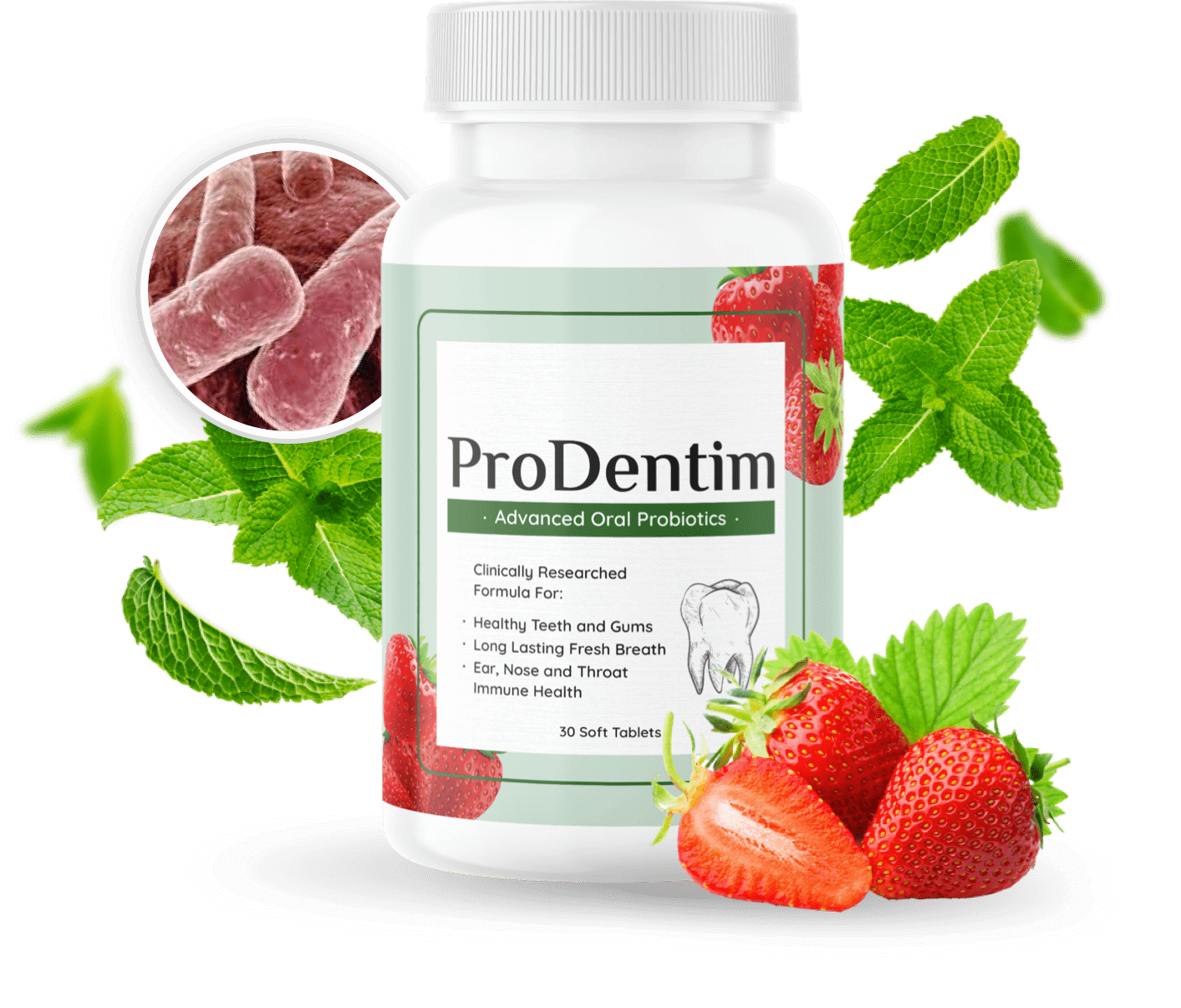
A chewable "dental probiotic" and one of the most searched supplements in the U.S. right now. We're checking the strains and CFU count against the published research on oral probiotics.
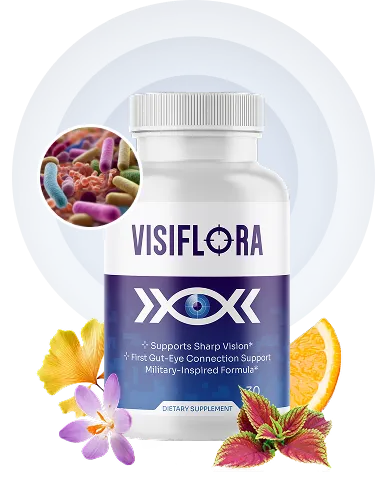
An eye-plus-gut-health hybrid formula. We're comparing its ingredients and doses against AREDS2 — the only eye-supplement formula with major NIH trial evidence behind it.
Supplements are one of the few product categories where almost everyone is a customer and almost no one gets neutral information before buying.
That gap — huge market, heavy advertising, no pre-market approval — is exactly why we publish reviews that check the label, the research, the real price, and the refund terms before you spend anything.
Each guide covers what the condition data actually looks like, what to check on any supplement label in the category, and the red flags we keep catching in ads.
About 7 million Americans live with visual impairment, and AMD affects 1 in 8 adults over 40. What AREDS2 actually showed — and what no eye supplement can do.
Read the guide →Roughly 4 in 10 U.S. adults over 30 have gum disease. What dental probiotics are, which strains have research, and why none of them replace your dentist.
Read the guide →40.1 million Americans have diabetes and 115.2 million more have prediabetes — most without knowing. What "blood sugar support" can and cannot mean.
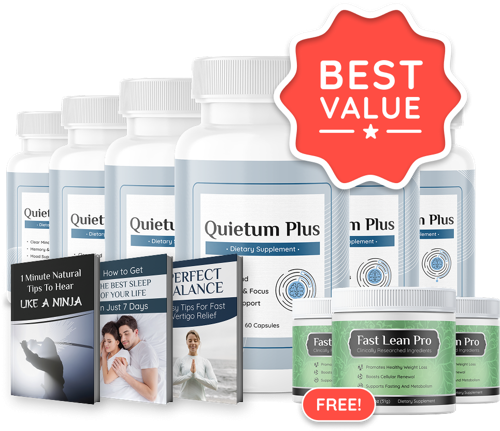
Read the guide →About 25 million U.S. adults experience tinnitus each year. The honest baseline: no supplement is proven to cure it — here's how to judge the claims anyway.
Read the guide →Over 60% of adult U.S. women experience urinary incontinence — and 45% of those with weekly symptoms never mention it to a doctor. What the evidence says.
Read the guide →About 53 million U.S. adults have doctor-diagnosed arthritis. The honest baseline: no supplement is proven to rebuild cartilage — here's how to judge the claims anyway.
Read the guide →Around 16 in 100 U.S. adults have constipation symptoms, and most get barely half the fiber they need. What fiber and probiotics actually do — and why no supplement "flushes trapped waste."
Read the guide →No. The Verdict Report is an independent publication. We don't make, stock, sell, or ship any product. Purchases happen on the seller's own website, under the seller's terms and money-back guarantee.
Through affiliate links: if you buy through a link on this site, the seller pays us a commission at no extra cost to you. The commission is the same whether our verdict is positive or critical — details in our Affiliate Disclosure.
No. Under U.S. law (DSHEA), the FDA does not approve dietary supplements or their labels before they're sold; oversight happens after products reach the market. That's why we verify labels, research, and refund terms ourselves — and why any ad claiming a supplement is "FDA approved" is a red flag.
No — and any product that suggests it can is one to avoid. Supplements are not medicines. If you take prescription medication or have a medical condition, talk to your doctor before adding any supplement, because interactions are possible.
Because people search for them. Heavily advertised products generate thousands of searches a month from people trying to decide — we'd rather those searches land on a review that checks the facts than on a fake "official website" page.