Home › Joint Health
Joint Health Supplements: What the Evidence Says
Category guide · Updated July 2026
Let's start where no supplement ad will: no supplement has been proven to rebuild lost cartilage. That's the baseline. What a review can still do is check the label, the ingredient research, the price, and the guarantee — because people in real pain buy these products every day, and they deserve facts before checkout.
Joint pain in the U.S.: the real numbers
Those numbers explain this entire market: osteoarthritis is extremely common, the definitive fix (joint replacement) is expensive and frightening, and a $69 bottle promising to "avoid surgery" sounds like a bargain. That mismatch is what the ads sell into.
How to judge a joint supplement's claims
- "Supports joint comfort" vs "rebuilds cartilage." The first is a legal structure claim. The second is a treatment claim — no supplement may legally make it, and none has the evidence to.
- Mechanism stories need dose-matched research. A real study about an ingredient doesn't prove the product works — check whether the study used the same dose, form, and duration the label delivers. We label the evidence level per ingredient in every review.
- Evidence-based osteoarthritis care exists — physical therapy, weight management, NSAIDs when appropriate, injections, and surgery when warranted. A supplement review that doesn't tell you this isn't being straight with you.
Reviews in this category
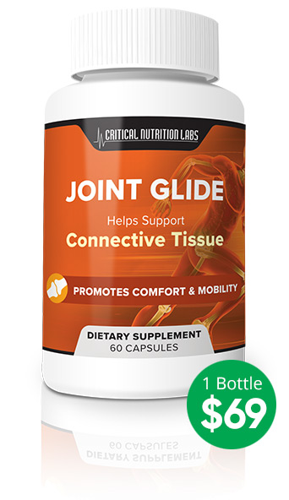
Joint Glide Review (2026): The 'Rust Enzyme' Claim, Fact-Checked
The sales page says an enzyme "rusts" your joints and this formula stops it in days. We examined the mechanism, the 45 references, the real pricing and the 60-day guarantee's terms.
Frequently asked questions
Is there a supplement that rebuilds cartilage?
No. No dietary supplement has been proven to rebuild lost cartilage. Even glucosamine and chondroitin — the category's best-studied ingredients — show mixed results, with overall evidence suggesting modest or no benefit.
Then why review joint supplements at all?
Because millions of people in real pain buy them anyway, and the alternative to an honest review is a fake "official website" page. We check the label, the research, the price, and the guarantee — so buyers decide on facts.
When should I see a doctor?
Joint pain with swelling, redness, warmth, fever, or sudden inability to bear weight deserves prompt evaluation. For chronic pain that limits daily life, an orthopedist can lay out options with real evidence behind them.