Home › Oral Health › Bad Breath Supplements
Bad Breath Supplements: What They Can and Cannot Do
Consumer guide · Published October 7, 2026 · By TVR Research Desk
Bad breath is a real oral-health signal, but it is also easy marketing bait. A mint, rinse, lozenge, or probiotic can make breath feel fresher; none of them should be sold as a cure for dental disease, chronic dry mouth, or unexplained odor that keeps coming back.
Start with the boring explanation first
Most everyday bad breath starts in the mouth. MedlinePlus notes that poor dental hygiene lets bacteria release sulfur compounds, and the ADA says mouthrinses do not replace brushing and flossing. Many supplement ads skip those basics and jump straight to a hidden-cause story: "bad bacteria," "toxins," or one missing nutrient.
The sober version is less dramatic. Tongue coating, food debris, gum inflammation, dry mouth, smoking, some medications, and dental problems can all contribute. If the odor is persistent or travels with bleeding gums, loose teeth, pain, fever, cough, or sinus symptoms, it is dentist-or-doctor territory.
What a breath product can reasonably claim
A credible breath product stays narrow. It may say it helps reduce oral malodor, supports a cleaner-feeling mouth, temporarily relieves dry-mouth symptoms, or supports oral hygiene when used as directed. Those are support claims, not disease claims.
The ADA's mouthrinse guidance is a useful benchmark: products claiming bad-breath control should have data showing reduced oral malodor over a meaningful period, and products for dry mouth should show temporary symptom relief. That is a much higher bar than "contains mint" or "uses a proprietary probiotic blend."
Checklist for bad breath supplements
- Specific oral strains. If the pitch is probiotic, look for named strains and CFU counts. "Probiotic complex" cannot be checked against research.
- Contact time. Breath products usually need time in the mouth. A lozenge or chewable makes more sense than a capsule swallowed in two seconds.
- Dry-mouth honesty. Dry mouth can raise the risk of bad breath, cavities, and gum problems because saliva helps protect teeth. A product may help moisture temporarily; it should not imply it fixes the underlying cause.
- No dental-disease promises. "Kills gum disease," "repairs enamel," "heals cavities," or "reverses periodontal damage" are red flags. Those are not supplement outcomes.
- Clear seller and guarantee. Check who sells it, how long the guarantee lasts, and whether opened bottles qualify.
How mouthwash, probiotics, and mints differ
Mints mainly mask odor. Mouthwash may temporarily reduce odor-causing compounds, depending on the active ingredient and whether it has evidence behind the claim. Oral probiotics are a newer category; the idea is to support a healthier oral microbial balance, but the label has to name the strain and dose before anyone can judge the evidence.
That difference is important in reviews. A mint can be judged like a convenience product. A probiotic supplement is making a bigger biological claim, so the label deserves a closer read: strain identity, CFU count, delivery format, serving size, and whether the ad matches the evidence.
Where our current oral-health review fits
We are tracking oral-health supplements because the category is crowded with ads that blur hygiene support into disease language. Our Synadentix review applies the same standard: read the label, separate breath and gum-support claims from treatment claims, and verify checkout pricing and refund terms before calling anything a recommendation.
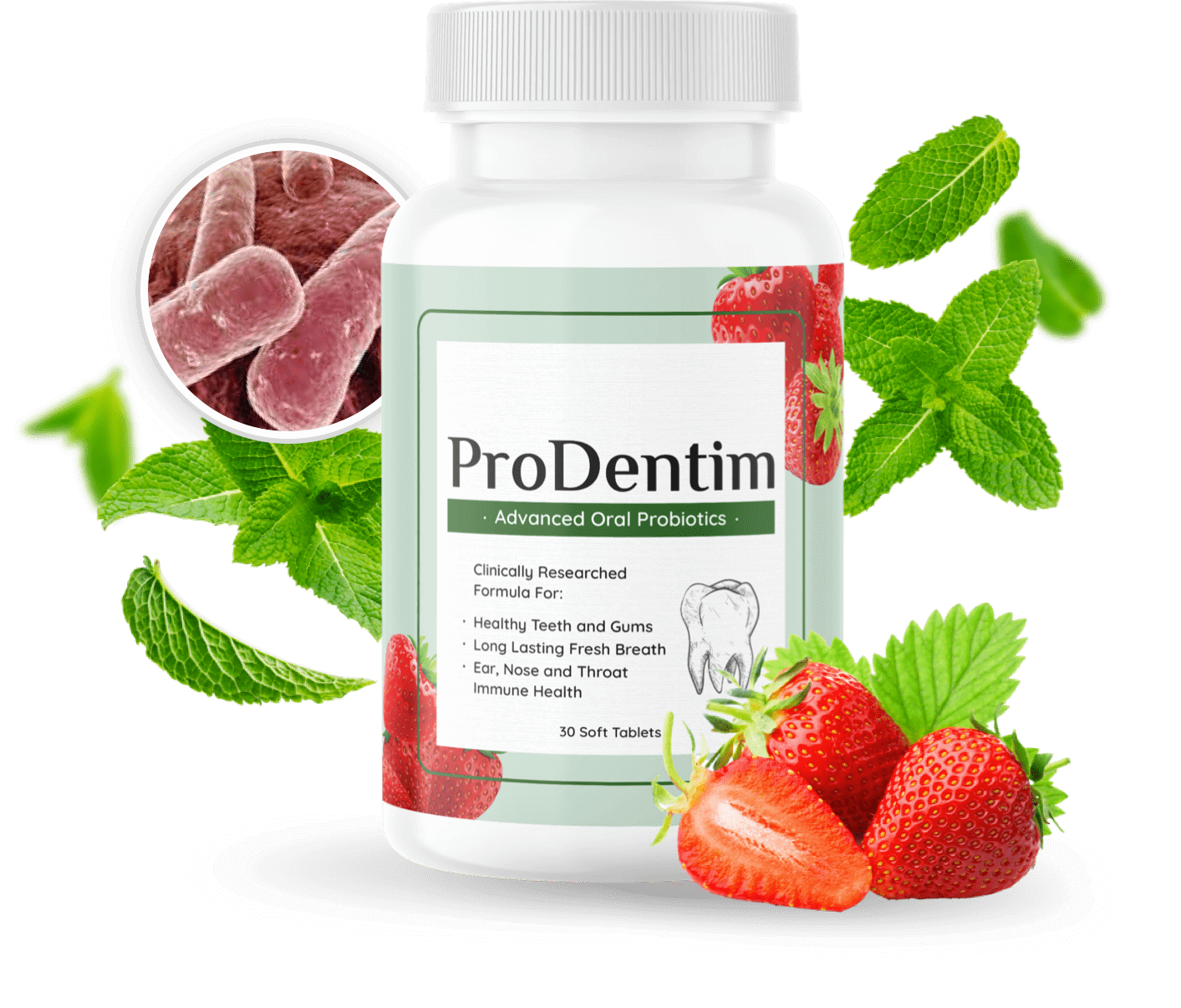
Synadentix Review: Label, Claims, Pricing, and Refund Terms Checked
Our review checks the oral-health claims against the actual formula and explains what a supplement in this category can and cannot responsibly promise.