Home › Digestive Health
Best Gut Health Supplements: What the Evidence Actually Shows
Category guide · Updated July 2026
Let's start where the ads never do: no supplement flushes "pounds of trapped waste" out of your gut — a healthy colon isn't caked with old sludge. What a review can do is separate the two things that genuinely move everyday bloating and irregularity — fiber and probiotics (and sometimes a laxative botanical) — from the detox theater the category is famous for. Because millions of people are bloated by evening and desperate for a real answer, and they deserve facts before checkout.
Gut trouble in the U.S.: the real numbers
Those three numbers explain the entire market: gut discomfort is extremely common, the real fix (more fiber, water and movement) is unglamorous and easy to ignore, and a $69 bottle promising to "flush the sludge overnight" sounds far more exciting than "eat 20 more grams of fiber." That mismatch is exactly what the ads sell into.
How to judge a gut / bloating supplement
- Know which lever it pulls. Most of these products are one of three things — soluble fiber (psyllium, glucomannan: adds bulk, gentle, gradual), a stimulant laxative botanical (senna, cascara sagrada: fast, but a short-term reset, not for daily forever), or probiotics (strain- and dose-dependent, build over weeks). Many blend them. The label tells you which — and how long you'd sensibly use it.
- "Supports regular digestion" vs "cleanses your colon of toxins." The first is a legal structure claim. The second is detox marketing with no evidence behind it — and a tell that the rest of the page is selling a story, not a mechanism.
- Proprietary blends hide the dose. Fiber and probiotics only work at real amounts. A "proprietary blend" that won't tell you the grams of fiber or the CFU count is asking you to trust the pitch instead of the label.
- The guarantee is the real safety net. Since product-specific proof is thin across this whole category, a long, retailer-enforced money-back window is what actually lets you test one at low risk.
Reviews in this category
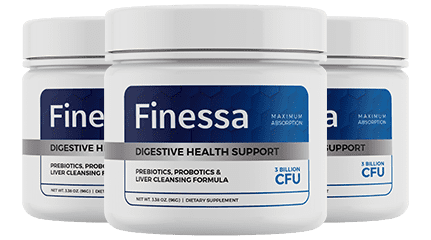
Finessa Review (2026): We Fact-Checked the "Flat Belly" Claims
The bloat really does drop fast — but not by magic. One ingredient is a genuine stimulant laxative. We checked the real 180-day guarantee, the label, and the one thing the sales page glosses over.
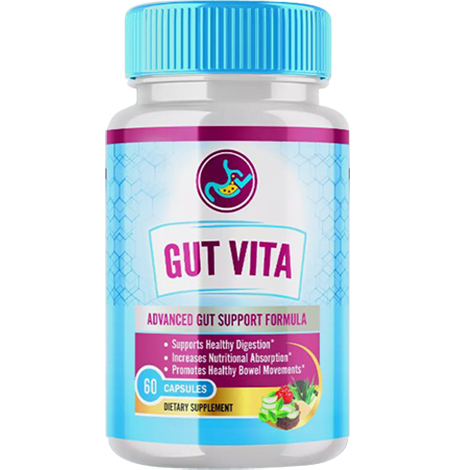
Gut Vita Review (2026): The "3-Step" Fiber Formula, Fact-Checked
A gentler, fiber-first take than the laxative products — glucomannan plus probiotics. We checked what the "3-step" story actually is, the 60-day guarantee, and who it does and doesn't suit.
Frequently asked questions
Is there a supplement that flushes out your gut?
No — "flush pounds of trapped waste" is a myth. A healthy colon isn't caked with old sludge; it empties itself. What genuinely helps everyday irregularity and bloating is soluble fiber (bulk and softer stool), sometimes a stimulant-laxative botanical (a fast, short-term reset), and probiotics (microbiome support over weeks). Fast belly change is water, gas and stool — never fat.
What actually works for bloating and constipation?
The boring basics move the needle most: more soluble fiber (psyllium, glucomannan), enough water, and movement. Fiber supplements are well studied for regularity but build gradually and can cause temporary gas. Probiotics help some people and are strain- and dose-dependent. Stimulant laxatives work fast but are for short-term resets, not indefinite daily use.
When should I see a doctor?
New, severe or persistent symptoms deserve real evaluation — especially blood in stool, unexplained weight loss, persistent abdominal pain, or a sudden change in bowel habits after 50. A supplement can mask something that needs care. A gastroenterologist, not a checkout page, is the first stop for anything beyond everyday bloat.